Choosing between Salalah and Muscat is the most common dilemma facing foreign buyers in Oman today. The salalah vs muscat property investment question comes down to a few clear factors: where foreigners can legally own freehold, how much capital you need to enter, what rental income each city realistically produces, and how residency and financing work. In this 2026 guide, we compare both markets side by side so you can match the right city to your investment strategy.
Where Foreigners Can Actually Buy: ITC Freehold Rules in Salalah vs Muscat
Oman restricts foreign freehold ownership to government-approved Integrated Tourism Complexes (ITCs). Outside these zones, non-GCC nationals cannot buy property, so the salalah vs muscat property investment decision is really a comparison of specific ITC communities.
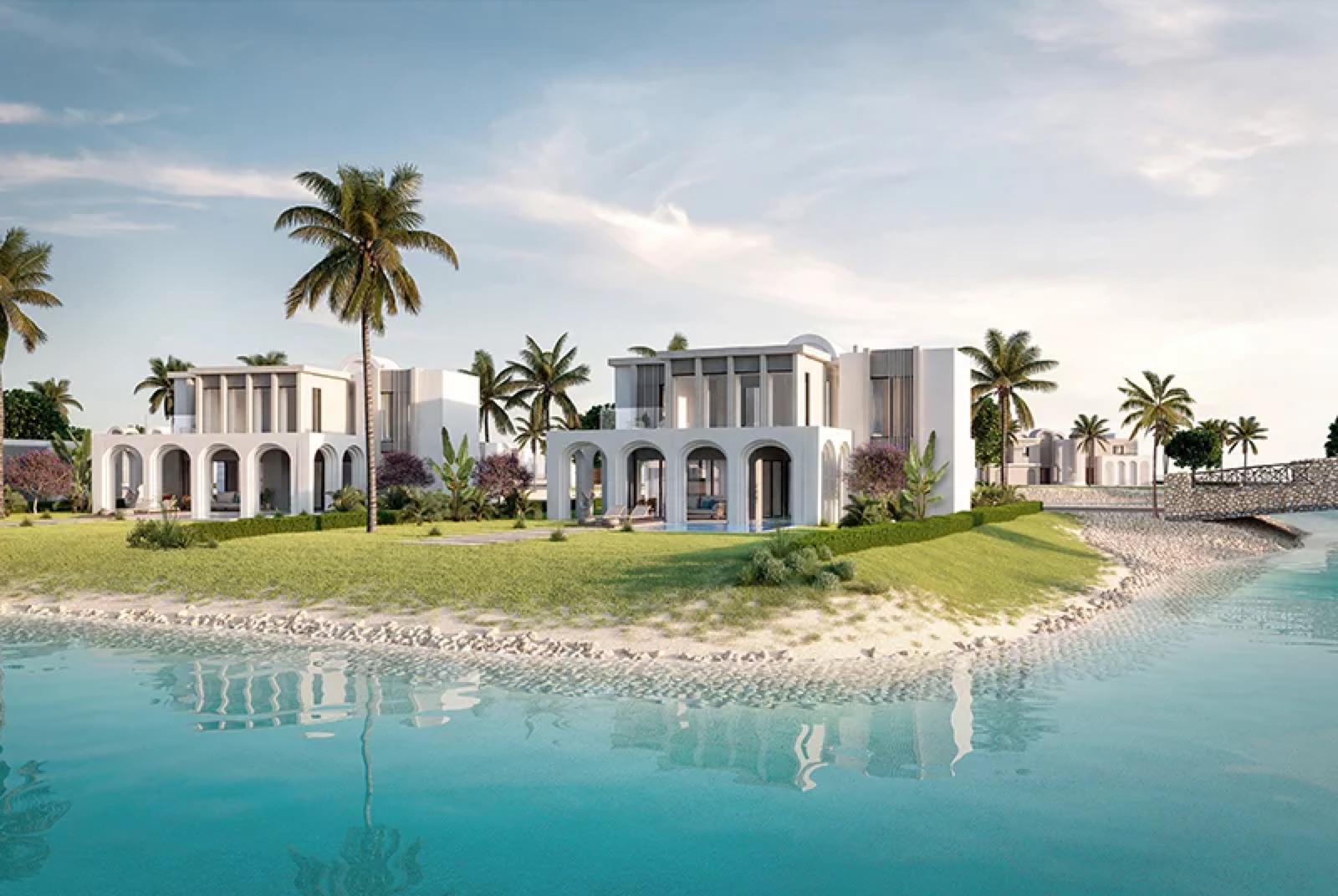
- Salalah (Dhofar): Hawana Salalah, developed by Muriya, an Orascom Development joint venture, is the main freehold ITC in southern Oman. It is the country's largest ITC by area, with a master plan of roughly 13.6 million sqm covering a marina, lagoons, multiple resort hotels and the Hawana Aqua Park.
- Muscat area: The capital offers several ITCs, including Al Mouj Muscat (the premium benchmark with its golf course and marina), Muscat Bay and Jebel Sifah, a marina town along the coast from the capital.
So yes, foreigners can buy property in Salalah, Oman, with full freehold title, provided the unit sits inside Hawana Salalah. The same legal framework applies in Muscat's ITCs, meaning ownership rights, title registration and inheritance rules are consistent across both cities.
Entry Prices Compared: Hawana Salalah Chalets from OMR 98,000 vs Muscat Benchmarks
Entry price is where Salalah pulls ahead for capital-conscious investors. Hawana Salalah's current releases are Amazi beachfront homes and Lubana Island waterfront homes, with chalets priced from OMR 98,000. That is a lower entry point than most comparable waterfront stock in Muscat's ITCs, where premium marina and golf-course addresses command significantly higher pricing per square metre.
If you are searching for Salalah real estate for sale at a genuine beachfront location, this is one of the most accessible price points on the Omani coast. Buyers exploring villas and chalets for sale in Hawana Salalah can choose between:
- Amazi: beachfront homes positioned directly on the Indian Ocean shoreline
- Lubana Island: waterfront homes within the lagoon network of the master plan
One important accuracy note for 2026 buyers doing their own research: Olive Farms and Solaris are releases at Raya, Jebel Sifah near Muscat, not part of Hawana Salalah. Some listings online conflate the two destinations, so verify the location of any unit before committing.
Rental Income Face-Off: Khareef Peaks vs Muscat's Year-Round Demand
This is where the two cities behave very differently, and where your salalah vs muscat property investment strategy should be decided.
Salalah: a concentrated seasonal engine
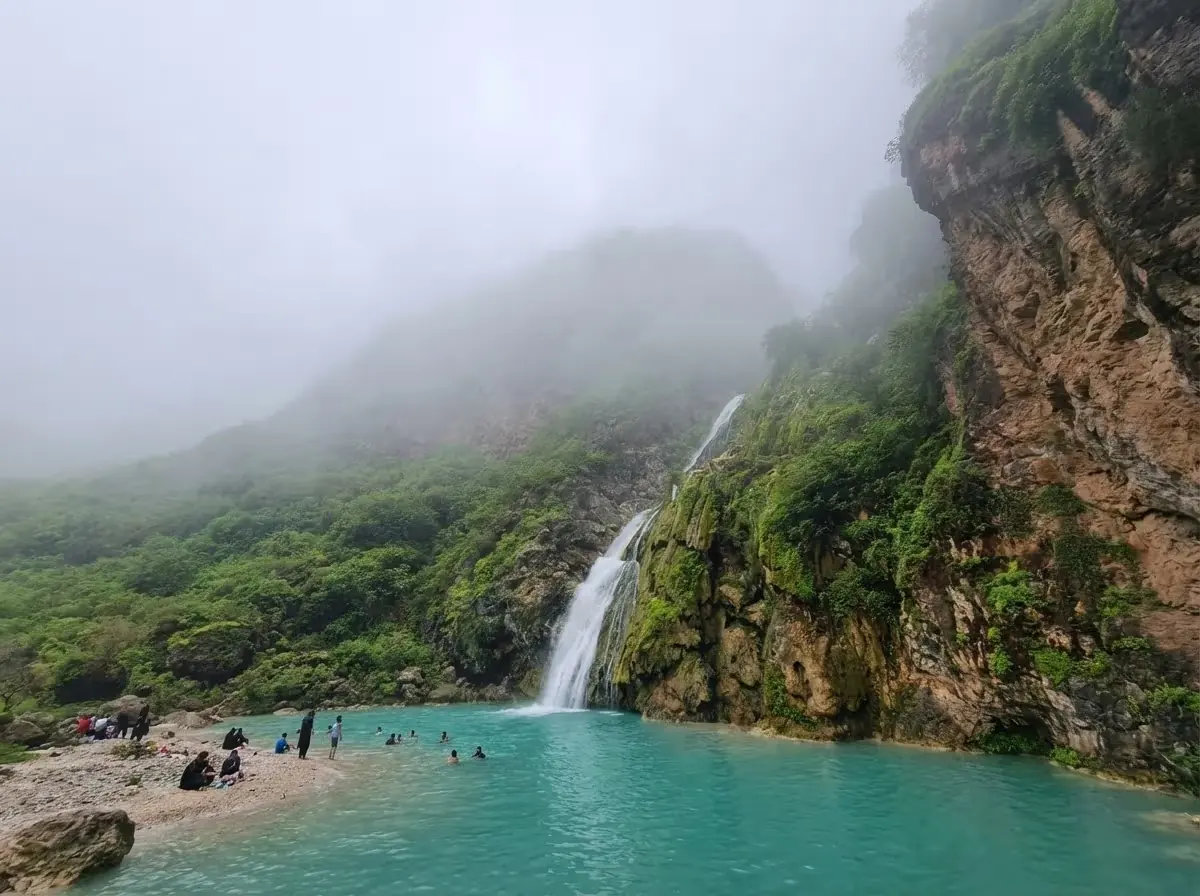
Dhofar's khareef monsoon season runs roughly from 21 June to 21 September, transforming the region into a green, misty landscape unlike anywhere else in Arabia. Official Omani statistics have reported well over one million visitors to Dhofar during recent khareef seasons. That demand is concentrated into a single peak quarter, which means:
- Very high summer occupancy for chalets and apartments
- Strong nightly rates during khareef, often several multiples of low-season pricing
- Quieter shoulder months, softened by resort amenities, the marina and winter sun travellers
Salalah International Airport also receives additional direct regional flights during khareef, which reinforces the seasonal surge in short-let bookings.
Muscat: steadier, flatter income
Muscat's ITC rental market is driven less by tourism and more by expat professionals seeking long-term leases in communities like Al Mouj. Gross yields are typically quoted at around 5 to 7 percent, delivered evenly across the year. Muscat International Airport's broader year-round international connectivity also supports consistent short-let occupancy for investors who prefer holiday letting in the capital.
The practical takeaway: Salalah suits investors comfortable with seasonal cash flow and hands-on (or professionally managed) short-term letting. Muscat suits those who want predictable monthly income with minimal vacancy risk.
Residency, Fees and Taxes: What Investors Get in Both Cities
One of the strongest arguments for Oman property investment for foreigners is that the ownership benefits are identical in both cities.
- Residency visa: Buying an ITC property entitles the foreign owner and immediate family to a renewable Oman residency visa linked to ownership. This applies equally to Hawana Salalah and Muscat ITCs.
- Investor Residency Programme: Separately, Oman offers a 5-year visa from OMR 250,000 and a 10-year visa from OMR 500,000 in qualifying investment. Some Muscat buyers reach these thresholds with a single premium unit, while Salalah buyers may combine several assets to qualify.
- Transaction costs: A 3 percent Ministry of Housing and Urban Planning registration and transfer fee applies in both cities.
- Ongoing taxes: There is no annual recurring property tax and no personal income tax on rental income for individuals.
In short, the legal and tax framework does not favour either city. Your choice hinges on price, yield profile and lifestyle preference, not on regulation.
Financing and Payment Plans: How to Fund a Purchase in Each Market
Financing is a practical differentiator that many first-time buyers overlook.
- Salalah: Off-plan payment plans at Hawana Salalah, structured as staged instalments until handover, significantly lower the upfront capital required. Because mortgages for non-resident foreigners are limited in Oman, developer plans or cash are the standard route for anyone looking to buy property in Salalah, Oman.
- Muscat: Local banks generally finance ITC purchases more readily for residents in the capital, but typical resale purchases still require full payment or an approved mortgage, which non-residents often cannot access.
For overseas investors without an Omani banking relationship, Salalah's off-plan instalment structure is frequently the more achievable path to ownership in 2026.
Verdict 2026: Which City Matches Your Investment Strategy?
There is no single winner in the salalah vs muscat property investment debate, only a right fit for your goals.
- Choose Salalah if: you want the lowest freehold beachfront entry point in Oman (chalets from OMR 98,000), you are targeting high-yield khareef short lets, and you prefer developer payment plans over bank financing. Browsing Hawana Salalah property for sale is the natural starting point.
- Choose Muscat if: you prioritise steady year-round tenancy from expat professionals, want a liquid resale market in the capital's premium segment, and have the budget for Al Mouj or Jebel Sifah pricing.
- Consider both if: you are building toward Oman's Investor Residency thresholds, where combining a Salalah chalet with a Muscat-area unit can diversify income seasonality while reaching the OMR 250,000 mark.
FAQ
Can foreigners buy property in Salalah, Oman?
Yes. Foreigners of any nationality can buy freehold property in Salalah inside the Hawana Salalah Integrated Tourism Complex. Ownership includes full title, resale and inheritance rights, plus eligibility for a renewable Oman residency visa for the owner and immediate family.
Is Salalah or Muscat better for rental yield?
Salalah delivers concentrated, high-rate income during the khareef season from June to September, when Dhofar welcomes over a million visitors. Muscat delivers steadier year-round returns, typically quoted at around 5 to 7 percent gross, driven by expat tenants.
How much does property in Hawana Salalah cost in 2026?
Current releases at Hawana Salalah are Amazi beachfront homes and Lubana Island waterfront homes, with chalets starting from OMR 98,000. That entry point sits below most comparable waterfront stock in Muscat ITCs.
Do property buyers in Oman pay annual property tax?
No. Oman charges a one-time 3 percent Ministry of Housing and Urban Planning registration fee at transfer. There is no annual recurring property tax and no personal income tax on rental income for individual owners.
Does buying property in Oman grant residency?
Yes. Any ITC purchase, whether in Hawana Salalah or a Muscat ITC, entitles the foreign owner and immediate family to a renewable residency visa linked to the property. Larger investments from OMR 250,000 can qualify for Oman's 5-year Investor Residency visa.
Ready to Compare Your Options?
Whether Salalah's beachfront value or Muscat's steady yields fits your plan, the right choice depends on your budget, income goals and residency ambitions. Contact an Irfan Investment Group consultant for a personalised comparison of current availability, payment plans and residency pathways in both cities.
Related Guides
Browse live listings
Every unit below is priced from live developer inventory and updated as stock moves.